 +1 (586) 264-2000


Zirconia & Metal-Free Implants Metro Detroit | Byond Dental
Metal-free implants: a natural-looking, biocompatible, titanium-free way to replace a missing tooth.
What are Zirconia (Ceramic) Implants?
A zirconia implant is a replacement tooth root made from zirconium dioxide, a high-strength ceramic. “Ceramic implant” and “zirconia implant” describe the same thing, since nearly every ceramic implant available today is zirconia. Like titanium, it is placed in the jawbone and supports a crown. Unlike titanium, it contains no metal and is white, so no gray shows through the gums. We use the Swiss Dental Solutions (SDS) system, available in one-piece and two-piece designs.

Why Patients Choose Metal-Free Implants?

Fewer allergy concerns: Titanium implants can contain trace nickel, chromium and other metals linked to allergic reactions. No confirmed cases of allergy to zirconia have been reported.
Natural appearance: White ceramic avoids the gray shadow titanium can cast through thin gums. In clinical trials, gum aesthetics around zirconia scored as well as or better than titanium.
Proven results: A 2023 review of clinical studies found a 97.2% five-year survival rate for zirconia implants, similar to titanium.
Why Zirconia Implants Are Essential to Biological Dentistry
Zirconia Implants are a cornerstone of biological dentistry, providing a biocompatible, metal-free alternative to traditional tooth replacement solutions. At Byond Dental, these implants reflect our commitment to health-conscious care by promoting natural healing and minimizing toxins.
For patients in Metro Detroit, Sterling Heights, and Madison Heights, Zirconia Implants offer a seamless blend of science and wellness, making them the ideal choice for holistic dental solutions.
Esthetic
White ceramic for a more natural and clean look. No more metal showing or dark shadow along the gum line.
Biocompatible
Optimally tolerated by the body. Excellent regeneration of the gums and improved soft tissue healing and response.
Comfort
After whitening, you will be given 4 sets of upper and lower Vivera retainers to maintain your straight smile.
Metal free
Patients can have metal allergies and be intolerant to titanium. Zirconia behaves like a ceramic, not a metal.
Your Ceramic Implant Dentist: Dr. Christofer Hatzis
Dr. Christofer Hatzis graduated from the University of California, San Francisco (UCSF) School of Dentistry in 2020 and has focused on biological dentistry from the start of his career. Early on, he met patients who wanted to replace a missing tooth without adding metal to their body: people with metal sensitivities, autoimmune concerns, or a preference for more natural materials. Rather than refer them elsewhere, he set out to master a metal-free option.
He trained with Swiss Dental Solutions (SDS), one of the leading developers of ceramic implant systems. Today he places SDS zirconia implants at Byond Dental’s Madison Heights and Sterling Heights offices, combining them with regenerative techniques that support healing of the surrounding bone and gums.

Learn More about Dr. Christofer Hatzis
Metal-Free Zirconia Implants in Metro Detroit
Discover the benefits of ceramic implants at Byond Dental, Michigan’s premier destination for biocompatible, long-lasting tooth replacement solutions.
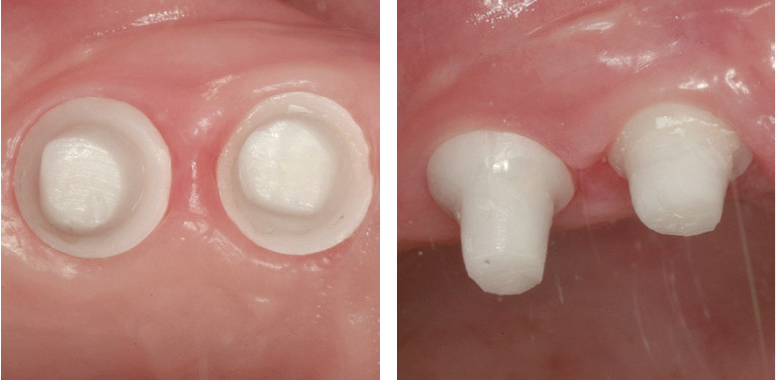
Healthy Gums with Biocompatible Ceramic Implants
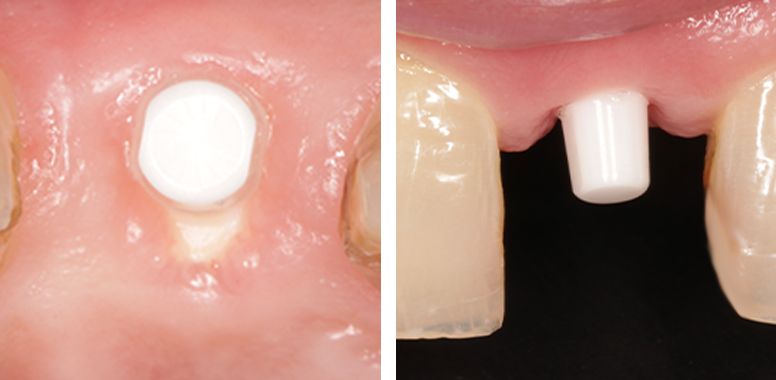
Seamless Integration with Metal-Free Implants: Invisible Esthetics for a Natural-Looking Smile




Frequently Asked Questions (FAQ)
Below are some of the most common questions we receive from Michigan patients about metal-free implants.
What are metal-free dental implants?
Metal-free dental implants replace a missing tooth root with zirconia, a high-strength ceramic, instead of titanium. At Byond Dental, the abutment and crown are also metal-free, so the entire tooth replacement contains no metal. They’re also called ceramic, zirconia, or non-metal implants.
What are zirconia implants, and are they the same as ceramic implants?
Yes. “Ceramic implant” is the category, and zirconia (zirconium dioxide) is the ceramic used in nearly all of them. A zirconia implant replaces the tooth root with a white, metal-free material. For patients who want a metal-free mouth, it’s the only implant option that delivers that. Dr. Christofer Hatzis places ceramic implants using the Swiss Dental Solutions (SDS) system in one-piece and two-piece designs.
Are zirconia implants non-toxic?
Zirconia is one of the most biocompatible materials used in dentistry. It’s chemically stable, doesn’t corrode, and releases no metal ions. No confirmed cases of allergy to zirconia have been reported. For patients who want to minimize their body’s exposure to metals, it’s the cleanest option available for replacing a tooth.
Why do holistic and biological dentists prefer ceramic implants?
Biological dentists aim to put only the most inert, body-compatible materials into the mouth, and zirconia fits that philosophy. Here’s why:
- No metal: it contains no metal, so it doesn’t release metal ions or corrode over time.
- No mixed metals: it avoids combining different metals in the mouth.
- Healthy gums: it attracts less plaque than titanium, and gum tissue forms a healthy, tight seal around it.
- Natural look: its white color looks like a natural tooth root.
For patients with metal sensitivities or autoimmune concerns, or anyone who wants a fully metal-free mouth, zirconia removes a variable. Dr. Christofer Hatzis chose to train with Swiss Dental Solutions (SDS) because ceramic implants combined with a biological healing protocol align with how he believes dentistry should support whole-body health.
What makes a biological approach to implants different?
Biological dentistry looks at the implant as part of your whole body, not just a replacement tooth. Beyond choosing a metal-free material, Dr. Hatzis focuses on the conditions that support healing: your immune health, bone quality, gum tissue, and how your body responds to materials. The goal is an implant that integrates quietly and stays healthy for decades.
Are zirconia implants non-toxic? Is titanium unsafe?
Zirconia is highly biocompatible, chemically stable, and contains no metal, so it doesn’t release metal ions or corrode. Titanium implants have a long, successful track record, and true titanium allergy is uncommon. Some patients, though, have metal sensitivities or autoimmune concerns, or simply prefer to avoid metal. For them, zirconia removes that variable entirely. Dr. Hatzis reviews your health history to help you decide.
Can you replace my titanium implant with a zirconia implant?
In many cases, yes. Patients pursuing a fully metal-free mouth often ask us to remove existing titanium implants. Dr. Hatzis removes the implant while preserving as much bone as possible, then places a ceramic implant at the same visit or after a healing period. This is a careful surgical decision, and we’ll discuss whether replacement benefits you or whether leaving a stable implant in place makes more sense.
How do I care for metal free zirconia implants?
Much like natural teeth: brush twice daily, floss or use a water flosser around the implant, and keep regular hygiene visits. Our hygienists use implant-safe instruments to protect the ceramic surface. Full-arch restorations need a water flosser to clean underneath. Overall wellness matters too: good nutrition and not smoking support the bone around your implant long term.
How do I choose a zirconia implant dentist?
Ask four questions:
- Has the dentist trained specifically in ceramic implants?
- Which implant system do they use?
- How many ceramic cases have they completed?
- Do they place zirconia implants, or only zirconia teeth on titanium posts?
Dr. Hatzis’s SDS training and biological approach mean your implant, materials, and healing protocol are chosen with your whole health in mind.
How do zirconia implants affect gum health?
Gums tend to respond very well to zirconia. Research shows zirconia attracts less plaque than titanium, and soft tissue forms a healthy, tight seal around it. Zirconia is white, so there’s no gray shadow showing through thin gums, an advantage both aesthetically and for patients whose gums may recede over time.
Is it worth traveling for a ceramic implant dentist?
For most patients, yes. An implant is a decades-long decision, and outcomes depend heavily on the surgeon’s training with the specific system. Ceramic implants call for different techniques than titanium, so experience matters more than proximity. Dr. Hatzis can plan treatment to minimize the number of trips, and many follow-up visits are brief.
Patients from Bloomfield Hills, Birmingham, and Troy often tell us the convenience of a closer office didn’t compare to the confidence of working with a dentist dedicated to metal-free, biological implant care.
Do I need testing before getting a zirconia implant?
No. Testing is optional, and most patients choose zirconia without it. It’s most worthwhile for patients with a history of metal or jewelry reactions, autoimmune conditions, multiple chemical sensitivities, or unexplained symptoms after past dental work. Because zirconia contains no metal and is among the most biocompatible materials used in dentistry, it’s often the preferred option for sensitive patients. Testing simply adds confidence when you want it.
Can I be tested for metal sensitivity before getting an implant?
Yes. If you’re concerned about how your body may react to dental materials, testing can be done before treatment. Options include:
- Blood-based biocompatibility tests such as Clifford Materials Reactivity Testing, which screen your immune response to a range of dental materials, including zirconia.
- Lymphocyte tests such as MELISA, which look specifically for sensitivity to metals like titanium and nickel.
- Standard patch testing through an allergist or dermatologist.(find a patch-testing provider through the American Contact Dermatitis Society).
Sharing Is Caring
What Our Patients Say

Dr. Christofer is amazing! My son was terrified of sitting but even at 3 and now 4 years of age we've managed to have his teeth examined and even cleaned with no problems. Dr. Christofer was very gentle and reassuring with him and eased his fears. It's also reassuring that because of his youth we know he'll be our dentist for years to come. Their equipment is also new and modern so we know we're getting the best care possible. Definitely a great place for a family to go. A+


Dr. Christofer has been a great help from beginning to end! I have high anxiety around dentist offices and dental work and he takes his time and makes me feel like family! I highly recommend seeing Dr. Christofer from teeth cleaning to any dental work needed. Thank you, so much for taking great care of your patients and all the help along the way!

I found Byond Dental while looking for a biologic dentist. Dr. Christofer is very knowledgable and very kind. He has a way of making you feel comfortable and I am happy to know that he practices in a way that is healthier for my whole body, not just my teeth. I would highly recommend coming here!

Amazing experience from start to finish! From the moment you step into this office you feel like family. Dr. Christofer and staff truly go above and beyond when it comes to patient care. Dr. Christofer is very knowledgeable, thorough, and caring. If the dentist makes you nervous, Byond Dental will change your mind!

I was looking for a new dentist in the area and Byond was exactly what I was looking for! It’s a beautiful, modern office and the staff were so lovely and welcoming. Dr.Christofer took his time and was very patient and answered all my questions and concerns. Going to Byond definitely made going to the dentist such a pleasing experience!!

 English
 Portuguese